


Bakery and Pastry Shop Display Cases: Presentation, Labeling, and Essential Accessories
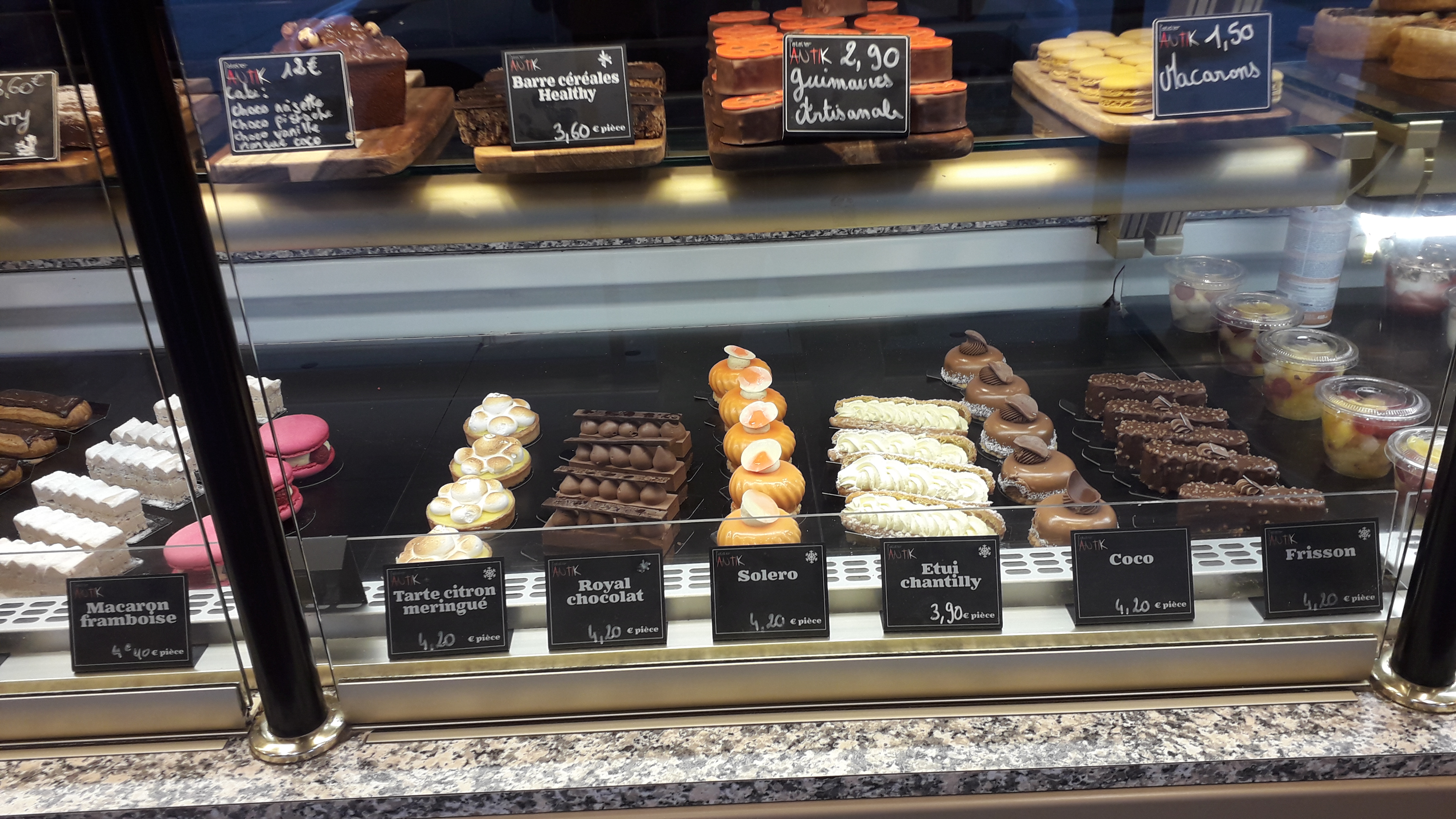
A bakery and pastry shop display caseshould spark immediate desire and showcase your expertise at a glance. In a retail space, it influences visibility, product preservation, customer choice, and, quite simply, the purchase of a dessert, a sandwich, or a lunch special.
Key points to remember
- The bakery and pastry shop’s refrigerated display case serves both as a preservation tool and a sales tool.
- A clear layout by product category —breads, pastries, fresh baked goods, snacks, and prepared foods—makes it easier for customers to choose and can increase the average purchase amount.
- Clearly indicate the name and price of products with legible labels, including visible allergens such as gluten, lactose, or tree nuts.
- Label holders, shelf stoppers, displays, and category signs enhance the perceived value of the products.
- The display case, LED lighting, accessories, and customization should remain consistent with the store’s overall design.
Role and Challenges of the Bakery-Pastry Shop Window
The bakery and pastry shop window serves as the store’s calling card: it is visible from the entrance, and sometimes even from the sidewalk of a downtown shop.
- It ensures the preservation of perishable items: desserts, fresh tarts, mousses, cream-based cakes, sandwiches, salads, and beverages.
- It showcases the day’s creations through a clear, bright, and appetizing display.
- The aesthetics of refrigerated display cases play a crucial role in attracting customers, as an attractive product presentation can encourage purchases.
- The cold zone houses perishable desserts; the neutral zone showcases breads, brioches, cookies, dry pastries, and daily baked goods.
- In a bakery and pastry shop, a well-maintained display case transforms a simple display into a sales experience.
Types of display cases in bakeries and pastry shops: refrigerated, service, and glass
The right type of equipment depends on the store’s needs, the product selection, and the pace of service.
- A bakery refrigerated display case keeps fresh pastries between +2°C and +8°C; highly perishable products may require a recommended range between 0°C and +4°C.
- Chocolates require a temperature of +14°C to +16°C to prevent the cocoa butter from blooming.
- Refrigerated display cases for bakeries and pastry shops come in several types: back-service cases, self-service cases, and drawer-loading cases, each suited to specific presentation and service needs.
- Back-service models are suitable for traditional counters; self-service models work well for snacks, beverages, and take-out desserts.
- Refrigerated display cases can be classified by the type of cooling system used: static cooling, ventilated cooling, and forced-air cooling, each with its own advantages and disadvantages in terms of product preservation.
- Ventilated cooling ensures a constant and uniform temperature, preserving freshness and texture; static cooling limits drying out; mixed cooling offers a compromise.
- Neutral display cases remain suitable for non-perishable breads, cookies, and pastries.
- Shelving can be arranged in a straight line, at an angle, or in groups of modules to guide the customer’s path.
Straight or curved glass and product visibility
The choice of glass affects elegance, visibility, and impulse sales.
- Flat glass provides a contemporary design, facilitates daily maintenance, and allows for the integration of signage banners.
- Curved glass creates a magnifying effect on pies, cakes, macarons, and snack items.
- The choice of glass— whether curved or flat—influences not only aesthetics but also product visibility, which can impact impulse sales.
- The height, angle, and background color—clear, wood, or black—should allow products to be seen from the outside.
- Coordinate the glass, LEDs, and supports to avoid glare and maintain a high-end image.
Choosing the right dimensions: width, depth, and usable capacity
- Measure the available floor width and allow for a 20–30% display margin to accommodate business growth.
- The actual depth of a refrigerated display case with storage can reach 800 to 940 mm, compared to about 660 mm for a simple counter.
- Sufficient usable capacity prevents overloading of the 40 x 60 cm shelves during Christmas, Easter, or Mother’s Day.
- Plan for display space for breakfast boxes, lunch specials, sandwiches, desserts, and seasonal offerings.
- Closed refrigerated display cases are generally more energy-efficient than open ones, as they minimize cold air loss.
- A commercial refrigerated display case consumes an average of 4.7 kWh per day, or approximately 1,700 kWh per year, with operating costs of about €340 (excl. tax) per year at €0.20/kWh.
- Class A refrigerated display cases consume 30 to 40% less energy than a Class C model, which can result in an additional annual cost of €100 to €135 for a less efficient model over 10 years.
- Consider the total cost, not just the purchase price (including tax) of the equipment.
Product presentation: organization, customer journey, and display
Merchandising adds rhythm to the bakery display and helps customers effortlessly understand the offerings.
- Organize by section: everyday breads, specialty breads, morning pastries, afternoon pastries, snacks, and prepared foods.
- Place loss leaders near the entrance, then daily specials or meal deals near the register.
- Use displays of varying heights to structure the space in the display case.
- Leave space around the fine pastries to maintain an elegant appearance in the display case.
- Effective examples: pyramids of chouquettes, rows of individual tarts, trays of macarons arranged by color, and verrines in neat rows.
- The height of the tiers should allow customers to read the labels and distinguish each category.
- Integrated LED lighting highlights the products and offers greater energy efficiency than traditional systems.
- High-quality LED lighting, with a Color Rendering Index (CRI) above 90, is essential for showcasing red berries, icings, chocolates, and textures.
Organization of a refrigerated display case for pastries and snacks
- Bottom shelf: whole desserts, fresh tarts, and large desserts.
- Middle shelf: individual portions, verrines, flans, éclairs, and signature creations.
- Eye level: cheesecake, tiramisu, gourmet salads, premium sandwiches, and portable desserts.
- Sensitive products—creams, mousses, fresh fruit, and egg-based preparations—must remain in the most stable section of the refrigerated display case.
- Group drink + sandwich + dessert combos in a clearly labeled section.
- Rotate products in the display frequently to ensure a fresh appearance.
- Monitor inventory, production dates, and cold chain breaks.
Display labeling: mandatory information and readability
Labeling is both a regulatory requirement and a marketing tool. In France, food items displayed for sale must have a visible price; information on allergens must also be accessible to consumers, as the government reminds businesses in its guidelines for the food service industry.
- Include the product name, price per unit or by weight, major allergens, origin when necessary, and any specific notes.
- For bread sold by the loaf weighing 200 g or more, the price per kilogram must be indicated in accordance with the rules outlined in the industry’s professional resources.
- Display labels, price strips, and easels help organize the information on refrigerated display cases and in neutral zones.
- Recommended hierarchy: product name in the largest font, followed by price, then labels such as “gluten-free,” “house specialty,” and “limited edition.”
- Use a simple font, high contrast, and a customer-facing orientation, at a distance of 1 to 2 meters.
- Check the label details every time the recipe, weight, or portion size changes.
- Maintain visual consistency between the display case, hanging signs, shelf stoppers, the tea room menu, and the main menu.
Signage and Categories: Guiding the Eye at a Glance
- Place category signs: “Specialty Breads,” “Gluten-Free,” “Seasonal Pastries,” “Lunch Specials.”
- Use shelf stoppers, table easels, and signs to highlight new items of the month, promotional offers, or the head baker’s signature creations.
- Clear signage reduces decision time and keeps the line moving smoothly between 7 a.m.–9 a.m. and 12 p.m.–2 p.m.
- Signage must be legible from 1 to 2 meters away, for customers in a hurry or those with vision impairments.
- Create strong themes for seasonal events like Christmas or Easter.
Essential accessories for the display window (displays, stands, and decor)
Accessories complement the display case and structure the product presentation, the core focus of signage designed for food service professionals.
- Include magnetic or clip-on label holders, counter displays, easels, shelf stoppers, and hanging signs.
- These displays communicate prices, allergens, ingredients, origin, and tasting tips.
- Seasonal decorations—Epiphany, Valentine’s Day, Easter, Mother’s Day—enhance the shop’s ambiance.
- Accessories must withstand humidity, temperature fluctuations, and cleaning.
- Maintain a consistent color palette, typography, and finishes throughout the space.
- Specialized partners can help harmonize materials, signage, and customization options.
Accessories for refrigerated display cases: practical considerations
- Accessories must not impede the flow of cold air or block grilles or vents.
- Refrigerated display cases must comply with specific temperature and humidity standards to ensure food safety and the quality of the products on display.
- Opt for magnetic holders, repositionable adhesives, or clips compatible with flat glass and glass shelves.
- Comply with hygiene requirements: smooth surfaces, materials that are easy to disinfect, and controlled indirect food contact.
- Example: a row of labels aligned on the front, vertical shelf stoppers between two product lines, a small point-of-sale display near the register.
- The choice of a refrigerated display case must take into account the type of products to be displayed, as some pastries require refrigerated storage, while others can be displayed at room temperature.
Best practices for maintenance, hygiene, and product rotation
A clean display case protects product quality, the store’s image, and customer trust.
- Clean the glass, shelves, countertop, and labeling accessories daily.
- Monitor the temperature of the refrigerated display case, especially in summer or during peak hours.
- It is recommended to choose a refrigerated display case with an automatic defrosting system, especially if it is used for long hours, to prevent breakdowns caused by frost buildup.
- Apply the “first in, first out” rule to minimize losses.
- Replace any damaged display or illegible label immediately.
- Train the team on how to handle creams, mousses, and egg-based preparations.
- Also, regularly check the label templates and options
No posts found
Write a review© 2016 - 2026 etal-shops. Powered by CS-Cart and premium theme — © AB: UniTheme2
